
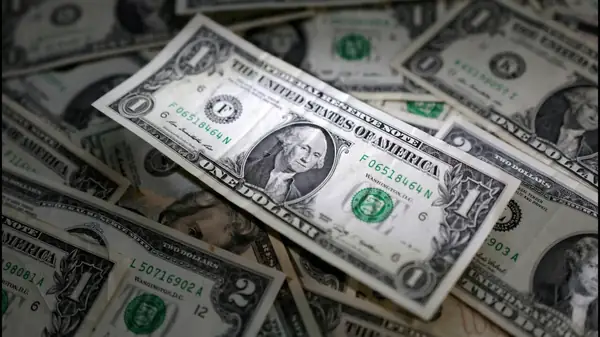
In a notable turn of events on September 26, 2026, the US dollar experienced a significant dip as oil prices showed signs of easing, marking a potential halt to its previous upward momentum. The dollar's decline was underscored by a broader market reaction to fluctuations in oil, which, despite remaining above the $100 per barrel threshold, has begun to alleviate some of the inflationary pressures that have plagued global economies. This shift is particularly relevant as Federal Reserve officials continue to express concerns about the ongoing inflationary environment, leading to heightened expectations for additional interest rate increases later this year.
The interplay between oil prices and currency valuations is a critical aspect of the current economic landscape. Oil, being a major commodity, heavily influences inflation rates and, consequently, central bank policies. The recent softening of oil prices can be attributed to a combination of factors, including a slight reduction in demand forecasts and increased production from key oil-producing nations. This development has provided some respite to consumers and businesses alike, who have been grappling with the rising cost of living driven by high energy prices.
In stark contrast to the dollar's decline, the Japanese yen surged following remarks from both Japanese and US officials reaffirming their commitment to currency stability. The yen's rise can be seen as a reflection of Japan's ongoing efforts to stabilize its economy amidst global market fluctuations. The Japanese government has been particularly vocal about its desire to maintain a stable currency, which is critical for its export-driven economy. The yen's appreciation is likely to impact Japan's export competitiveness, as a stronger currency can make Japanese goods more expensive for foreign buyers.
Market analysts are closely monitoring these developments, as they signal potential shifts in monetary policy not only in the US but also in Japan. The Federal Reserve's ongoing battle against inflation has led to a series of interest rate hikes over the past year, and with inflation remaining stubbornly high, further increases are anticipated. This situation creates a complex environment for investors, who must navigate the implications of rising interest rates alongside fluctuating currency values.
As the dollar weakens, it raises questions about the future trajectory of the US economy. A declining dollar can have mixed effects; while it may benefit exporters by making US goods cheaper abroad, it can also exacerbate inflation by increasing the cost of imports. The Federal Reserve's challenge will be to balance these competing pressures while steering the economy toward stability.
In the broader context, the interplay between the dollar and the yen is emblematic of the ongoing geopolitical tensions and economic uncertainties that characterize the current global landscape. As nations grapple with the ramifications of fluctuating currencies and commodity prices, the need for coordinated monetary policies becomes increasingly apparent. The remarks from Japan and the US underscore a commitment to collaboration in addressing these challenges, but the path forward remains fraught with uncertainty.
As markets react to these developments, investors are advised to remain vigilant and consider the potential implications of currency fluctuations on their portfolios. The evolving dynamics between oil prices, inflation, and currency stability will continue to shape the economic narrative in the coming months, making it essential for stakeholders to stay informed and adaptable.